Livber: Smoke and Mirrors
A horror visual novel set in one house. Elbek comes back to Lilith, the lover he thought was dead.
- Role
- Writer & Narrative Designer
- Team
- 5 people
- Studio
- InEv Games
- Format
- Visual novel
- Status
- Released on Steam, 28 October 2025
- Tools
- articy:draft X, Miro, Unity, Dialogue System for Unity
- 85%
- Positive Steam reviews (42, Nov 2026)
- 80/100
- AltChar review
- 6.5/10
- IGN Greece review
- 8
- Endings across three acts
- 48,014 words
- Script length, fully voiced
Highlights
- Wrote the whole script.
- Designed the branching to eight endings.
- Built every scene in articy:draft and storyboarded it for the artists.
- Wrote voice notes for every character.
On this page
- Elbek returns to the lover he thought was dead.
- I wrote the script and designed its branches.
- I developed the dinner scene through script, storyboard and implementation.
- Lilith’s dialogue introduces the porph meat.
- I built the conversation and its branches in articy:draft.
- I prepared the storyboard on paper and in Miro.
- The finished scene combines the dialogue and illustrated memory.
- I organised the branches, endings and character voices.
- The player can reach eight endings across three acts.
- Side conversations return to the main scene.
- Each character has a defined way of speaking.
- The supporting pages contain the scene and storyboard documents.
- Reviews discuss the released game.
Elbek returns to the lover he thought was dead.
Livber is a psychological horror visual novel about guilt, set in one house across three acts.
Five years ago Elbek turned his lover Lilith in for black alchemy. He believes she was executed. A letter in her hand brings him back to her house.
Each room of the house is a scene with its own choices. The Narrator wants the story to keep looping.
I wrote the script and designed its branches.
Writer and narrative designer on a team of five. I wrote the script, designed its branches and moved the articy project into Dialogue System for Unity. The developer handled the remaining integration.
I developed the dinner scene through script, storyboard and implementation.
The dinner with Lilith shows how I developed an Act 1 scene through writing, storyboarding and implementation.
- LilithEat. It’s porph meat... cooked just the way you like it.1. “Gods! Porph meat?”2. “I didn’t think it could be eaten.”LilithAfter the festival where we met... we saw a porph.1ScriptLines, choices, stage directions.
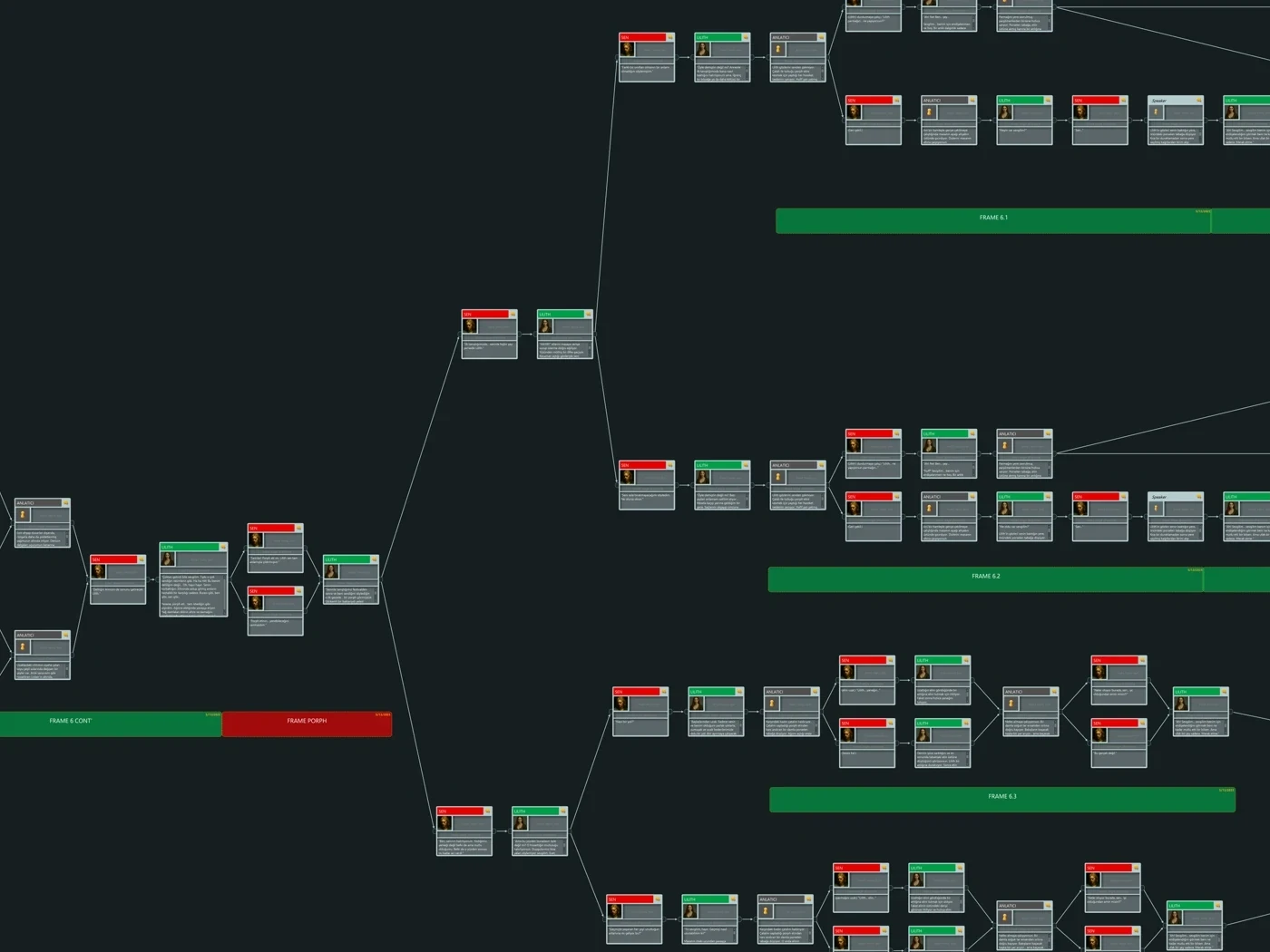 2articy:draftEvery node and branch.
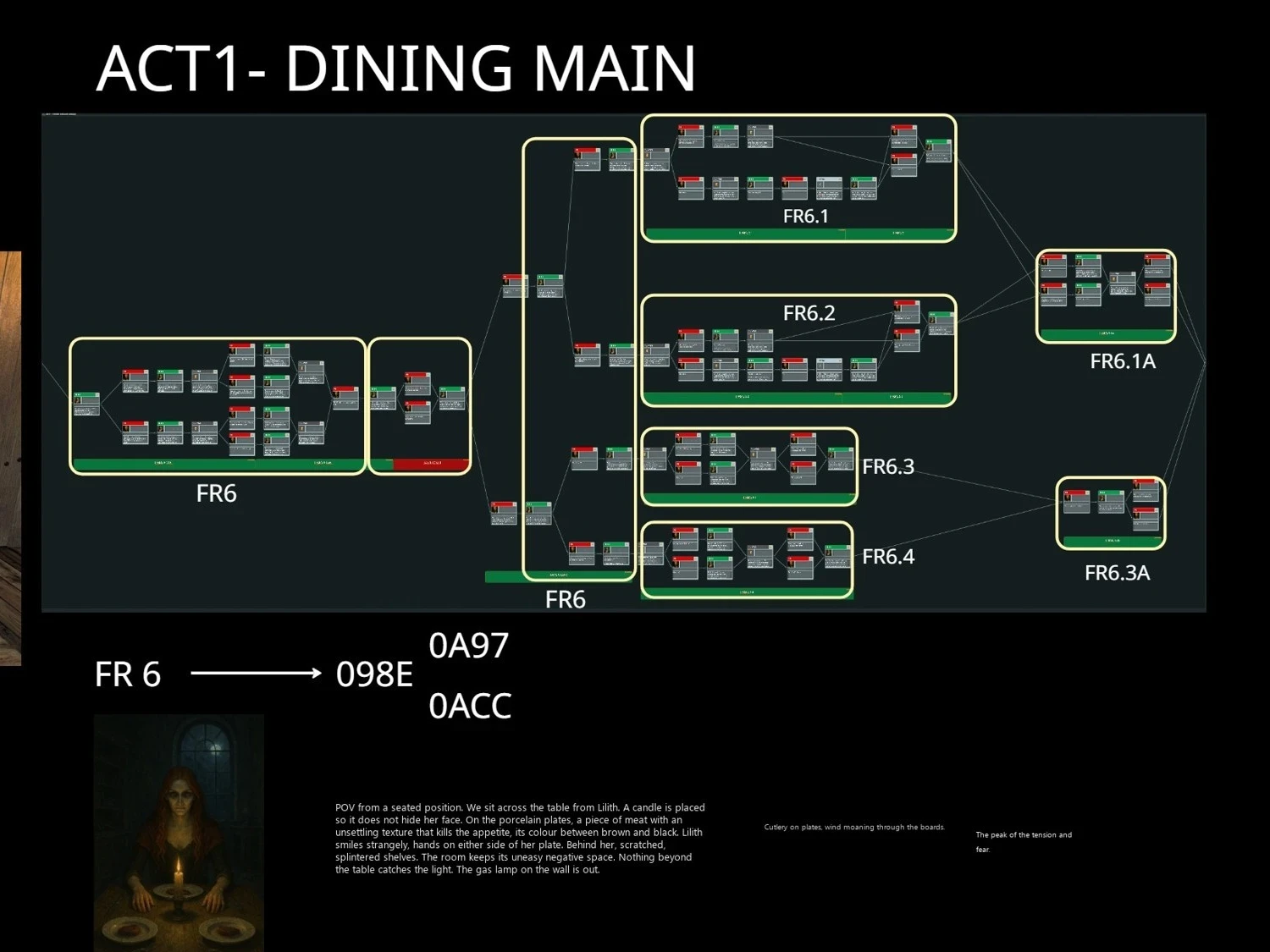 3StoryboardFrames tied to articy IDs.
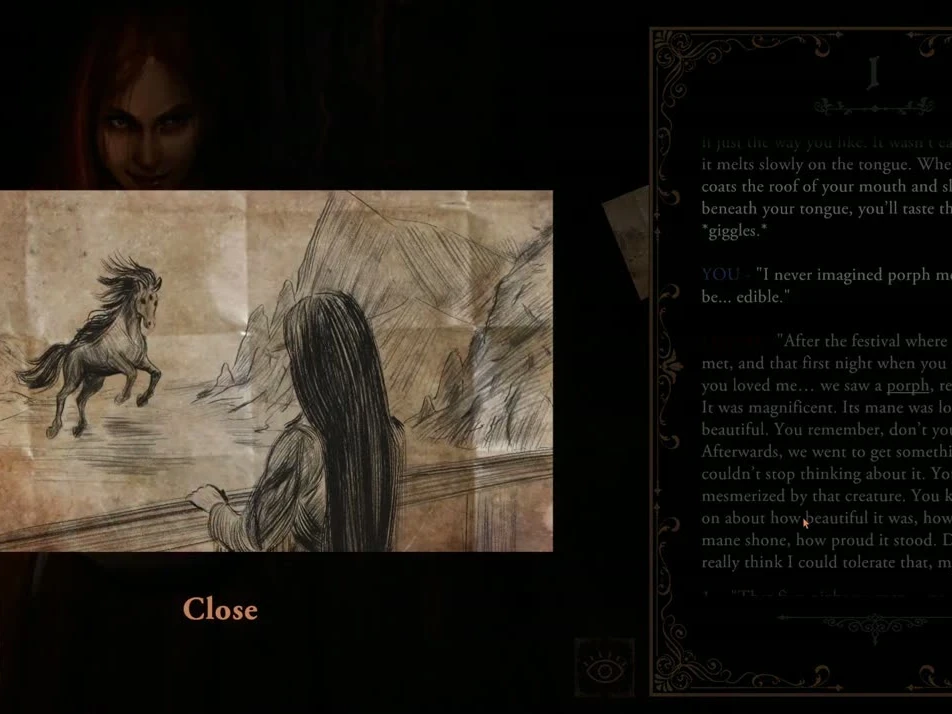 4GameThe memory opens over the dialogue.
Lilith’s dialogue introduces the porph meat.
Lilith serves porph, a beast with a long mane.
Your madness will be the end of us both.
You saw to that when you reported me. Eat. It's porph meat, cooked the way you like it. The fat melts under your tongue. Then you taste the herbs.
- Gods. Porph meat? Lilith, have you lost your mind?
- Porph meat? I didn't think it could be eaten.
We saw one after the festival, the night you first told me you loved me. Such a long mane. You kept telling me how beautiful it was. I had to sit there and listen. Then we went to eat. I've remembered that evening ever since.
- We didn't eat together that night.
- I remember being happy. Perhaps that's why the rest hurt so much.
She strikes the table with both hands and leans across it.
We ate this. You said you loved me. You said we'd never part. Do you remember what else you promised?
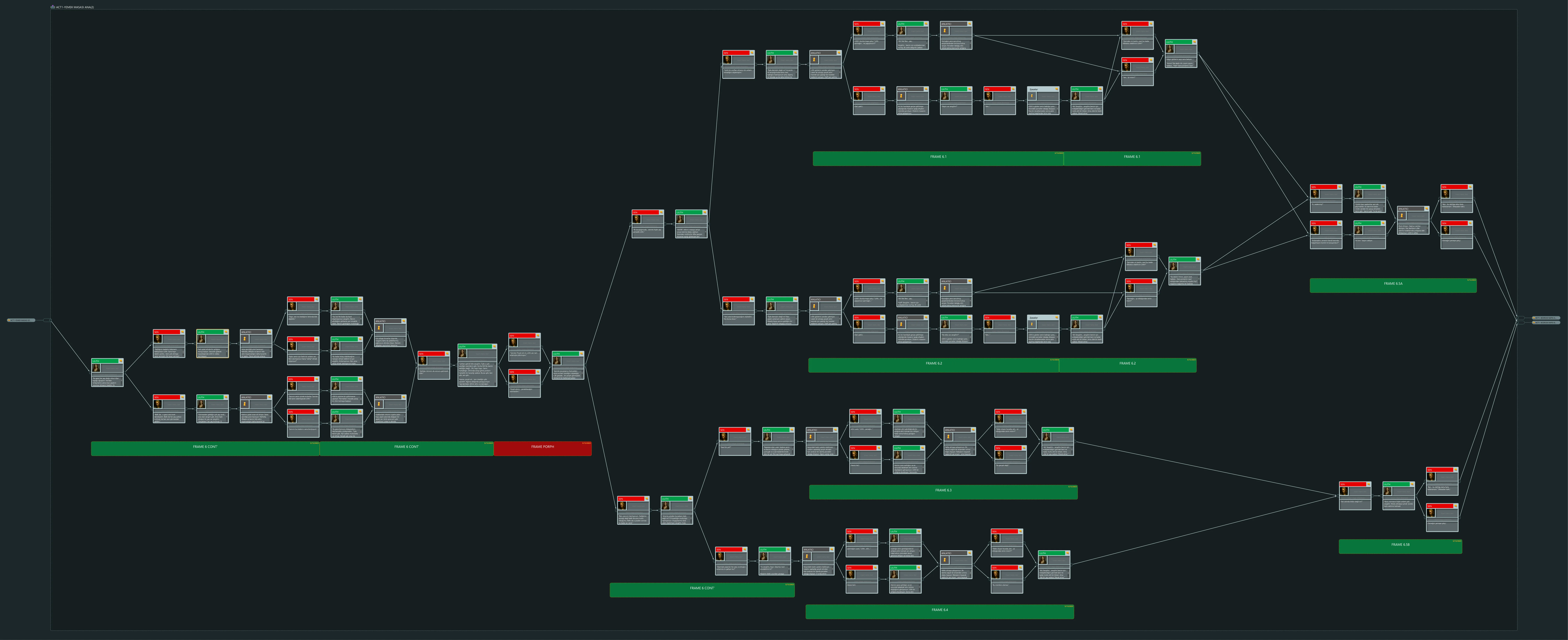
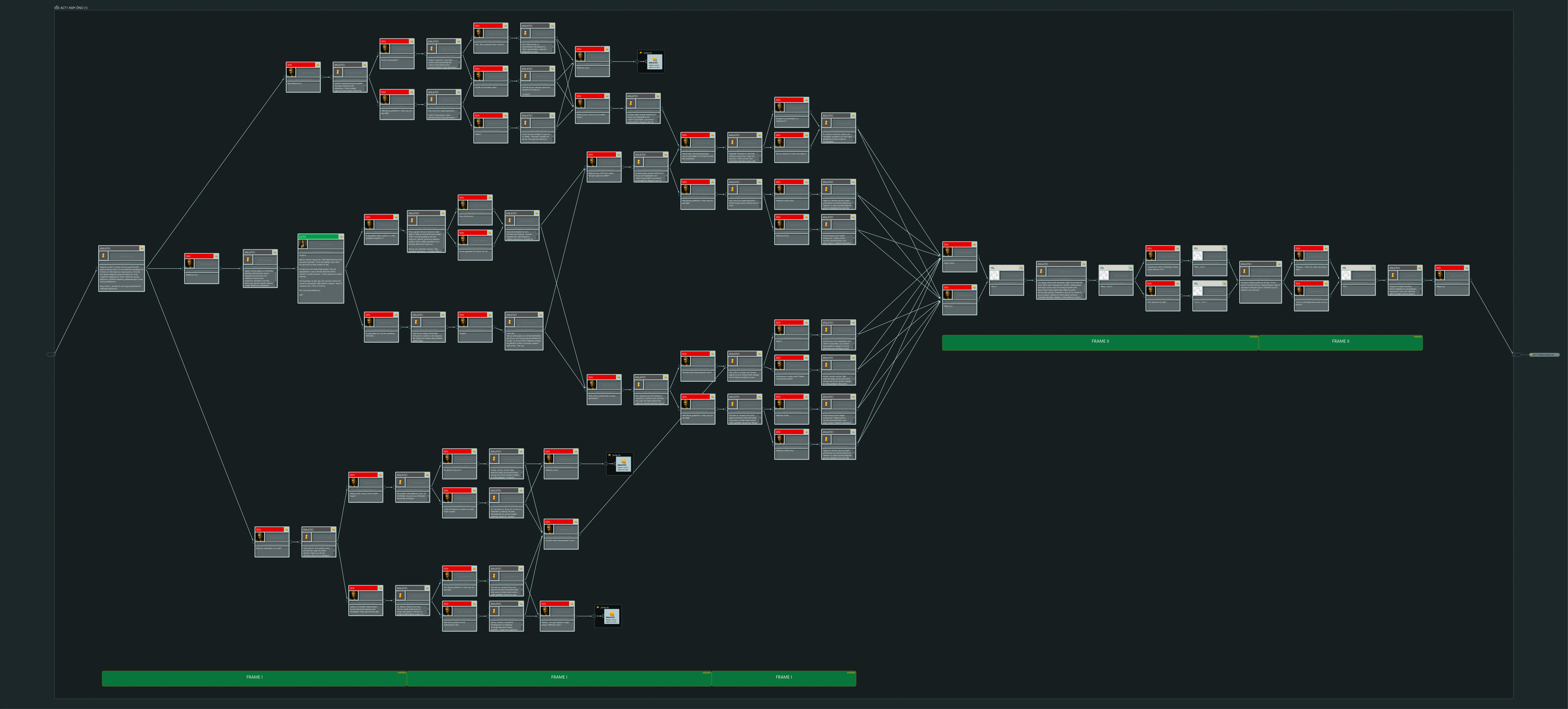
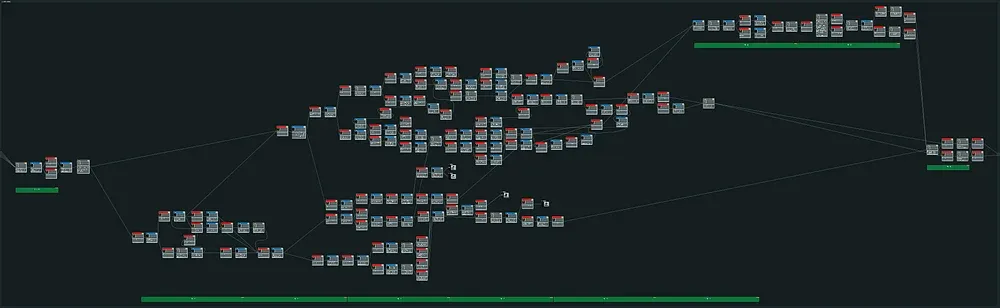
I built the conversation and its branches in articy:draft.
Green bars mark the storyboard frames. SEN is the player, ANLATICI the Narrator. Click for full size.
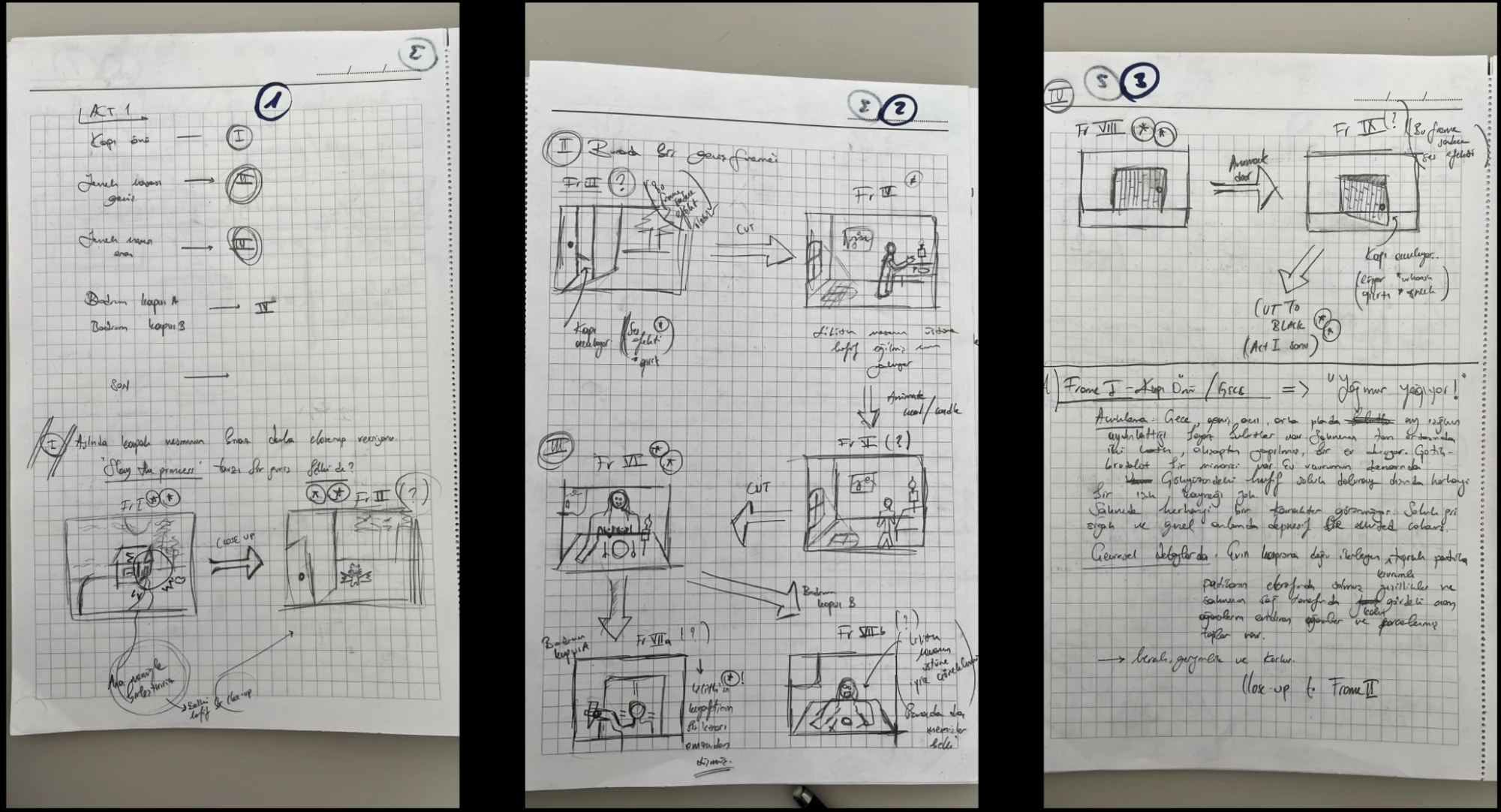
I prepared the storyboard on paper and in Miro.
Frame VI on paper becomes frame 6 on the board.
On Miro each frame carries its articy IDs, so the artists can find the exact nodes. The character art is moodboard reference.
A passive protagonist
ProblemLilith drove every beat. He only reacted.
SolutionI gave him an inner voice and built the choices on it: “I feel like I’m walking into a trap, but I can’t let it show.”
Explaining the dish too early
ProblemObjects open a tooltip when clicked. The meat sits on the table before Lilith offers it, so its tooltip would give it away.
SolutionThe meat becomes clickable only after Lilith tells him to eat.
The finished scene combines the dialogue and illustrated memory.
The scene in Dialogue System for Unity, and two more Act 1 shots
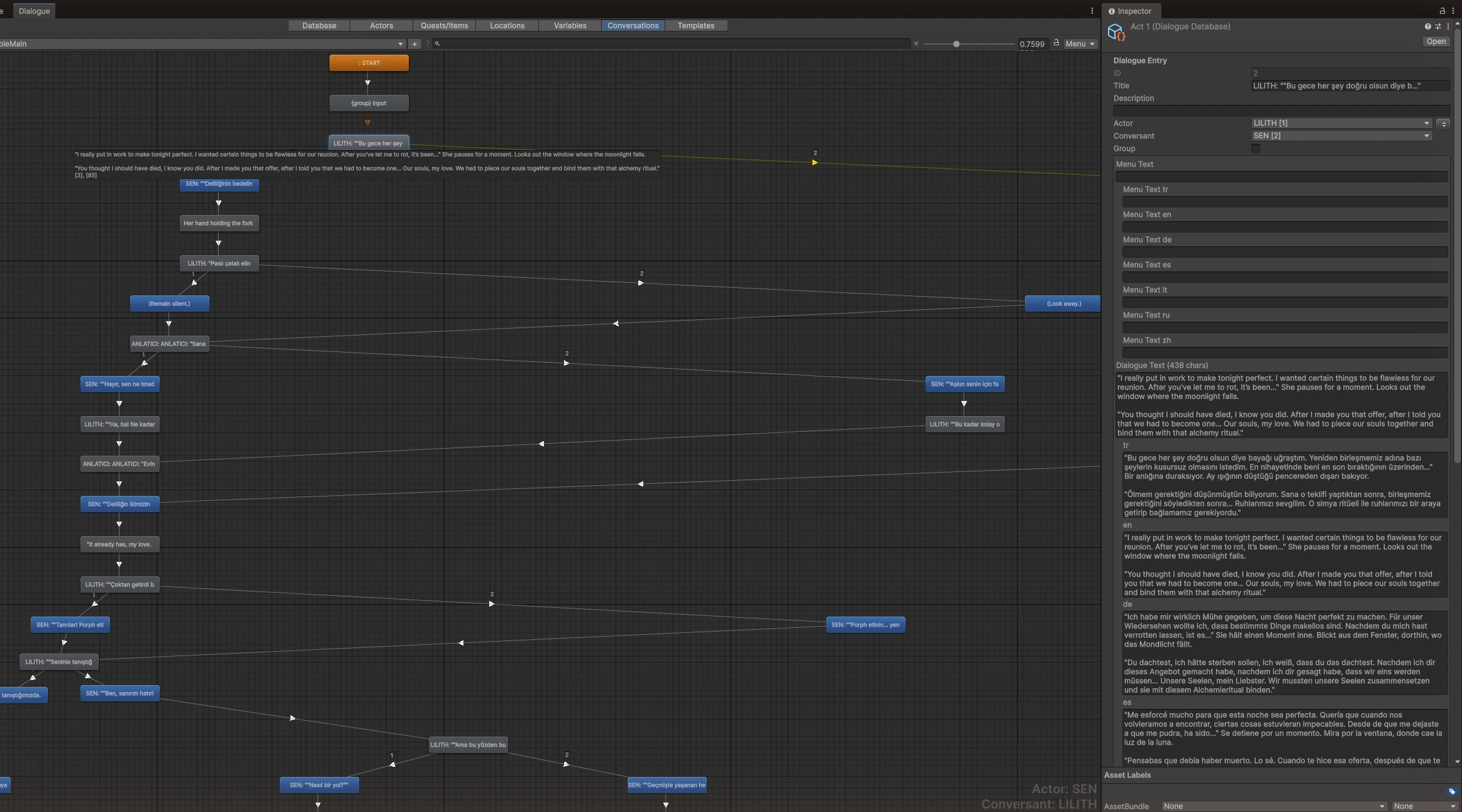
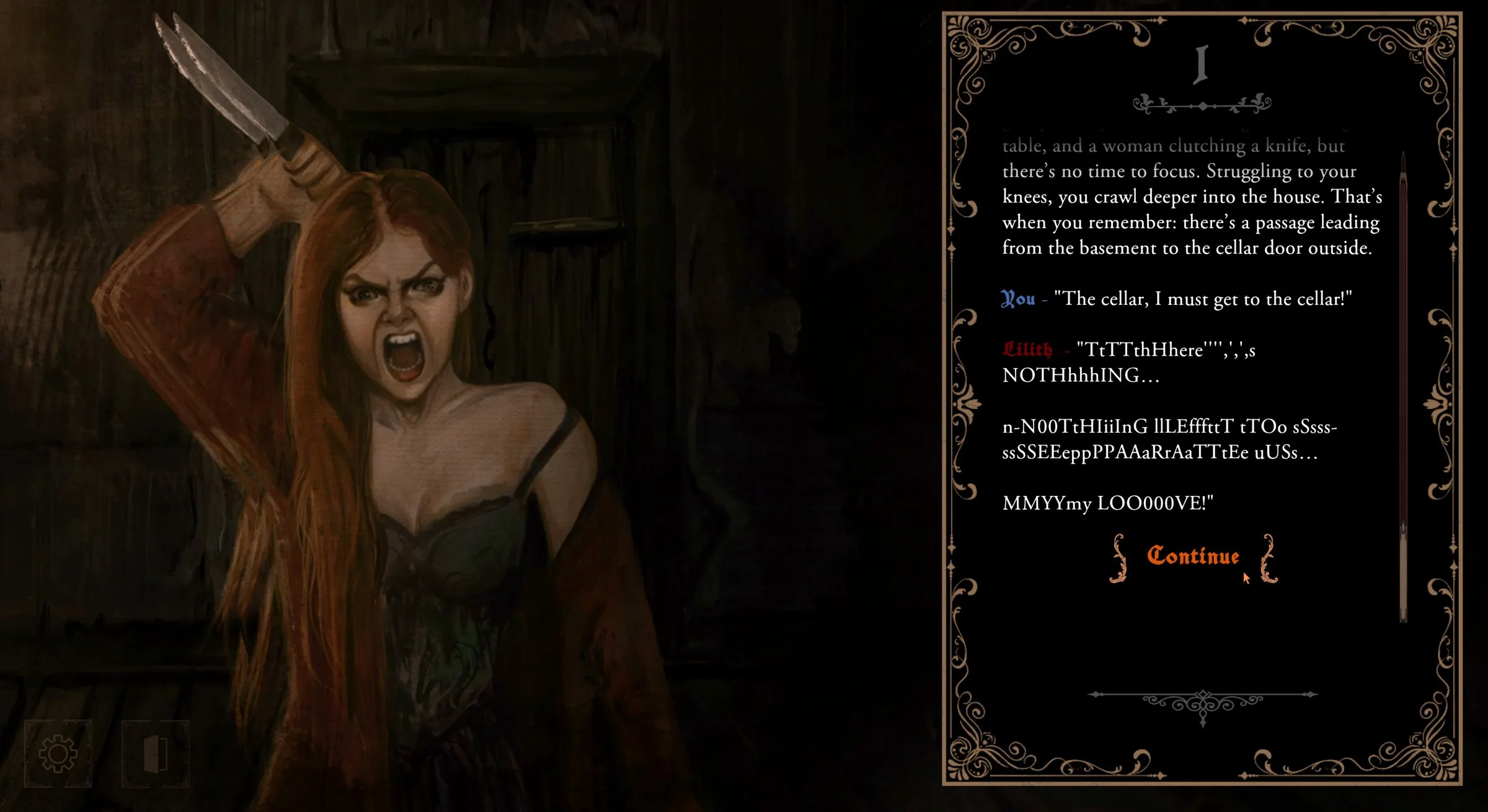 Lilith’s lines break apart.
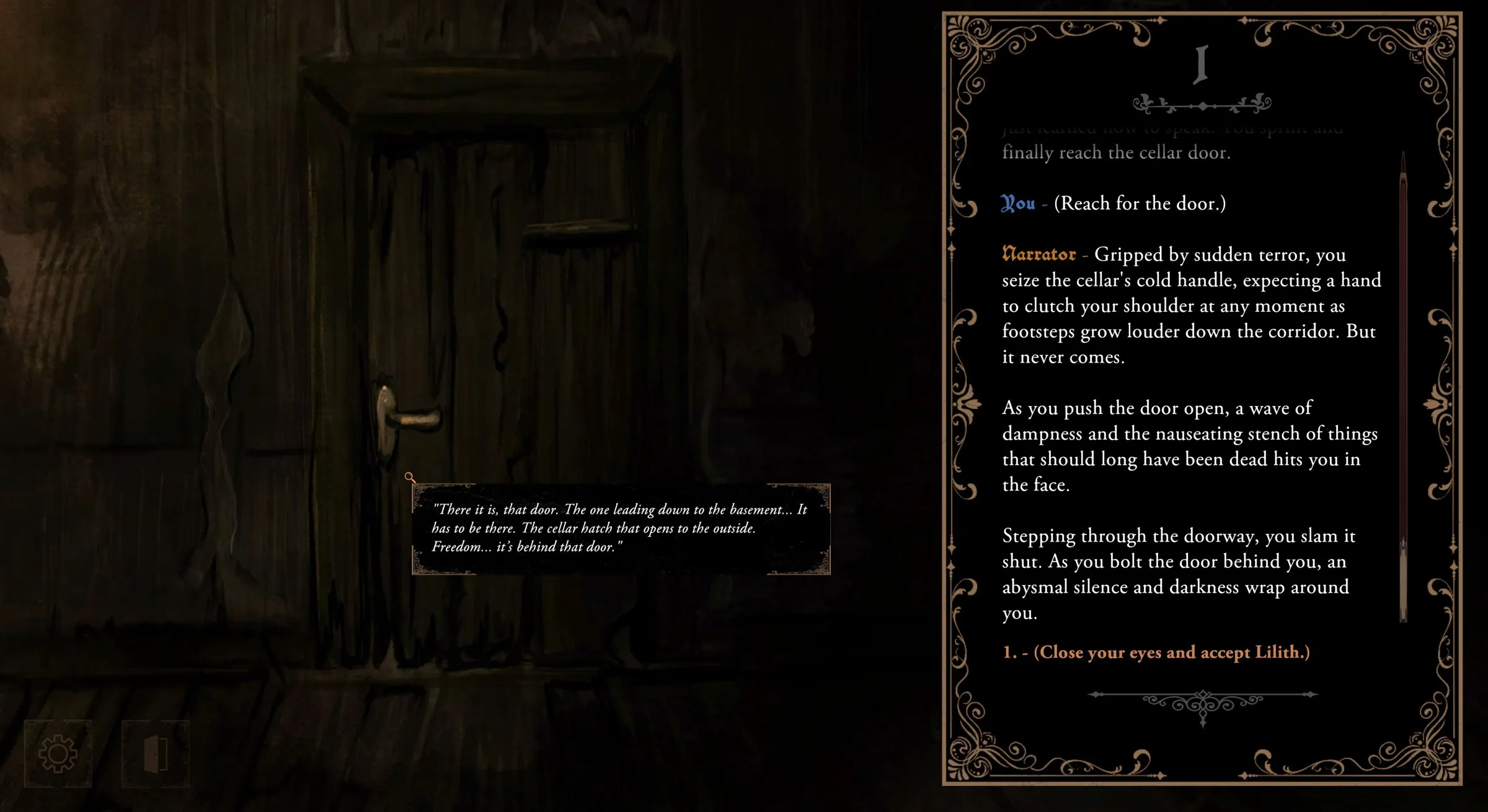 The end of Act 1.
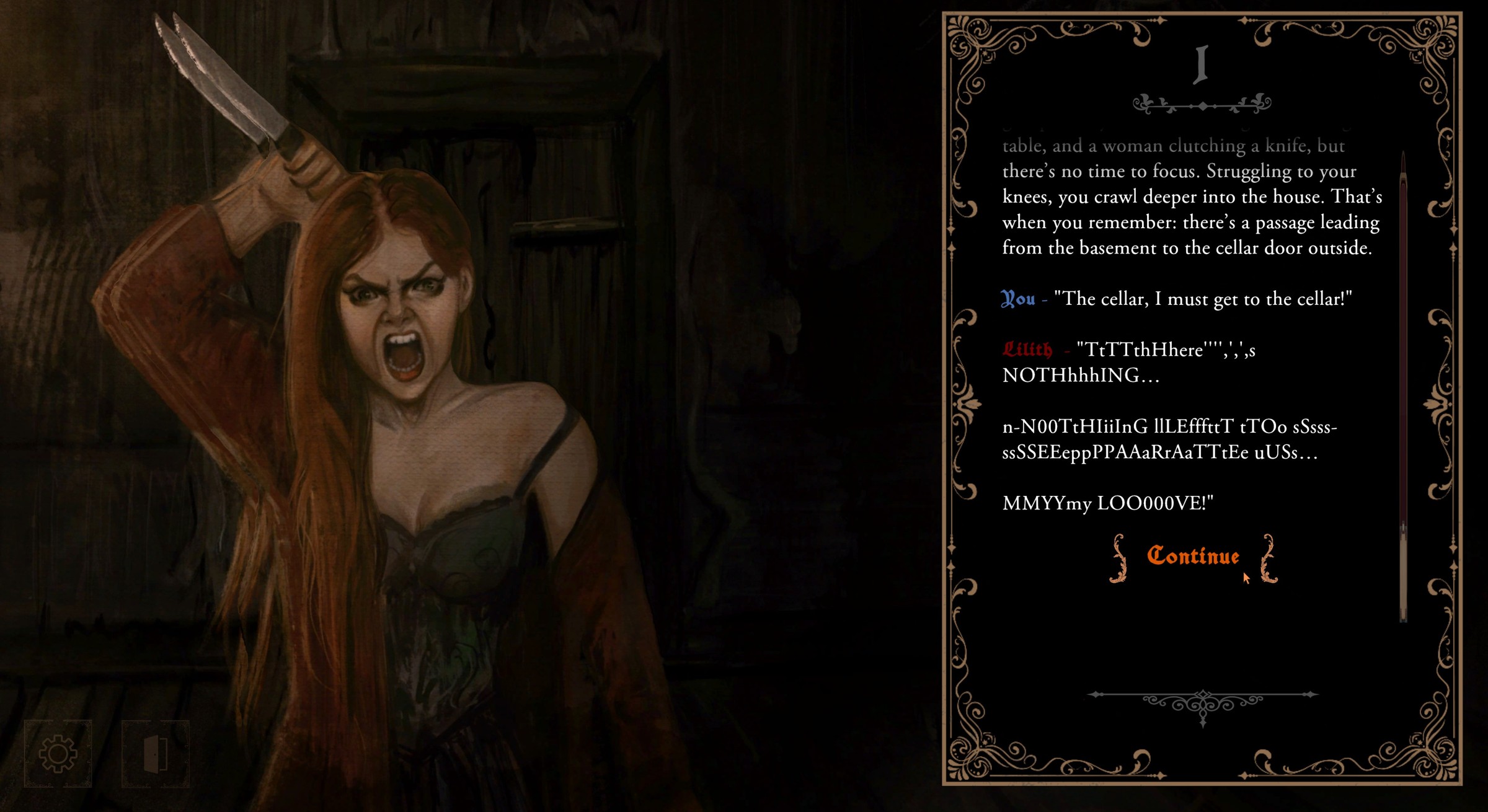
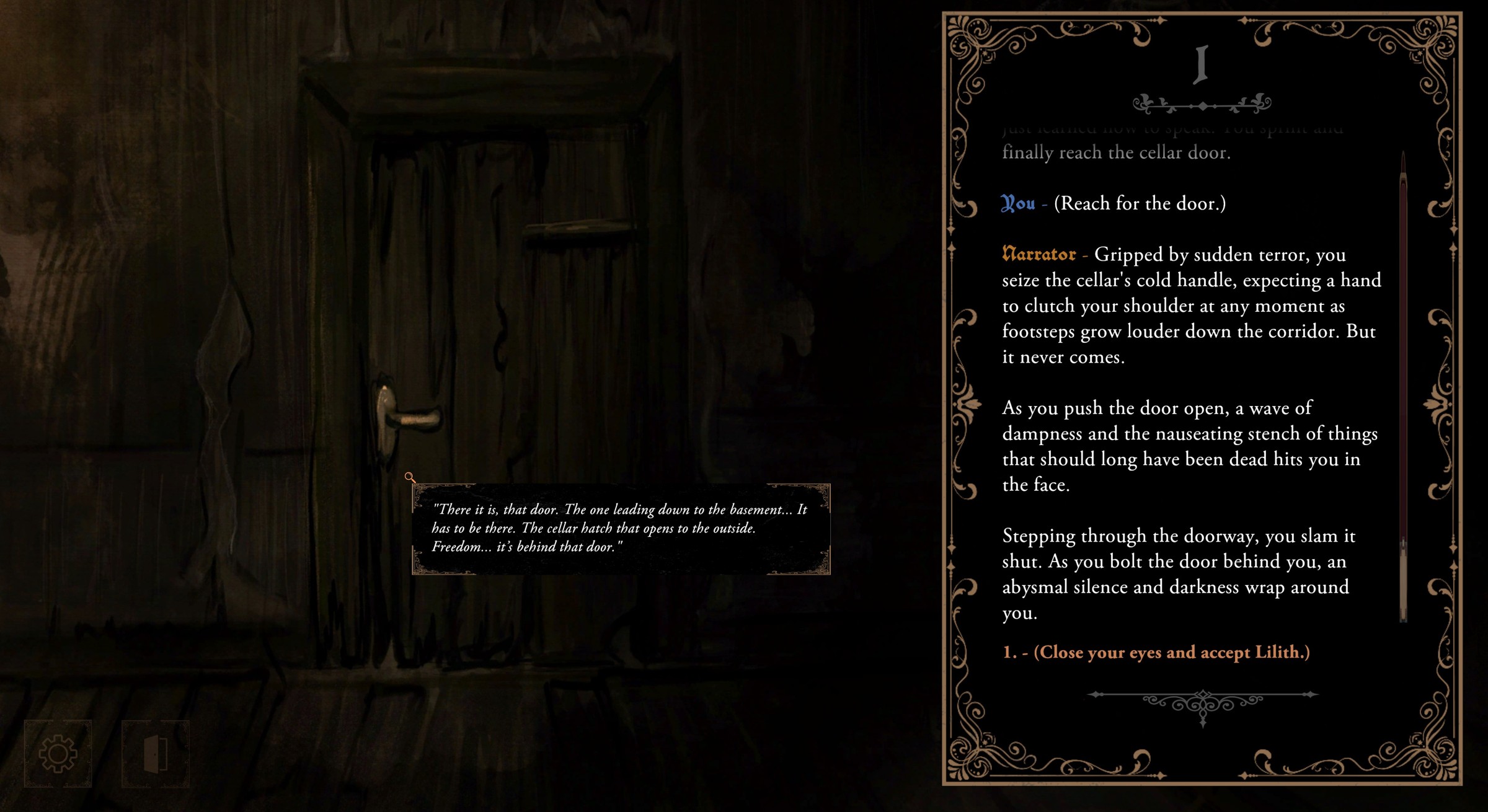
I organised the branches, endings and character voices.
The player can reach eight endings across three acts.
Livber has eight endings: one early ending in Act 1, one in Act 2 and six in Act 3.
All ending flows are on the articy page.
Side conversations return to the main scene.
Side questions are loops: ask, hear some lore, come back. They add depth and leave the main branch the same size.
Lore one hover away: the opening narration (0:40)
Each character has a defined way of speaking.
From the character sheets I wrote for the cast.
Voice notes for six characters
- The NarratorThe voice of the story
- Literary when setting a scene. Commands when Elbek resists ("GO TO THE DOOR NOW!"). Close to pleading when it loses control.
- LilithAntagonist, Elbek’s former lover
- Slow, with long pauses. Swings from "my love…" to an icy command.
- KeenanElbek’s conscience, in chains
- Fast and erratic. Every barb hits a weakness.
- ClaraA victim of Lilith
- Whispers and stammers. Repeats what Lilith taught her ("I must be beautiful").
- LeigeaElbek’s mother
- Calm and unhurried. Puts hard truths in plain words.
- YelA winged cat
- Meow. Meuv. Mrrrr.
The supporting pages contain the scene and storyboard documents.
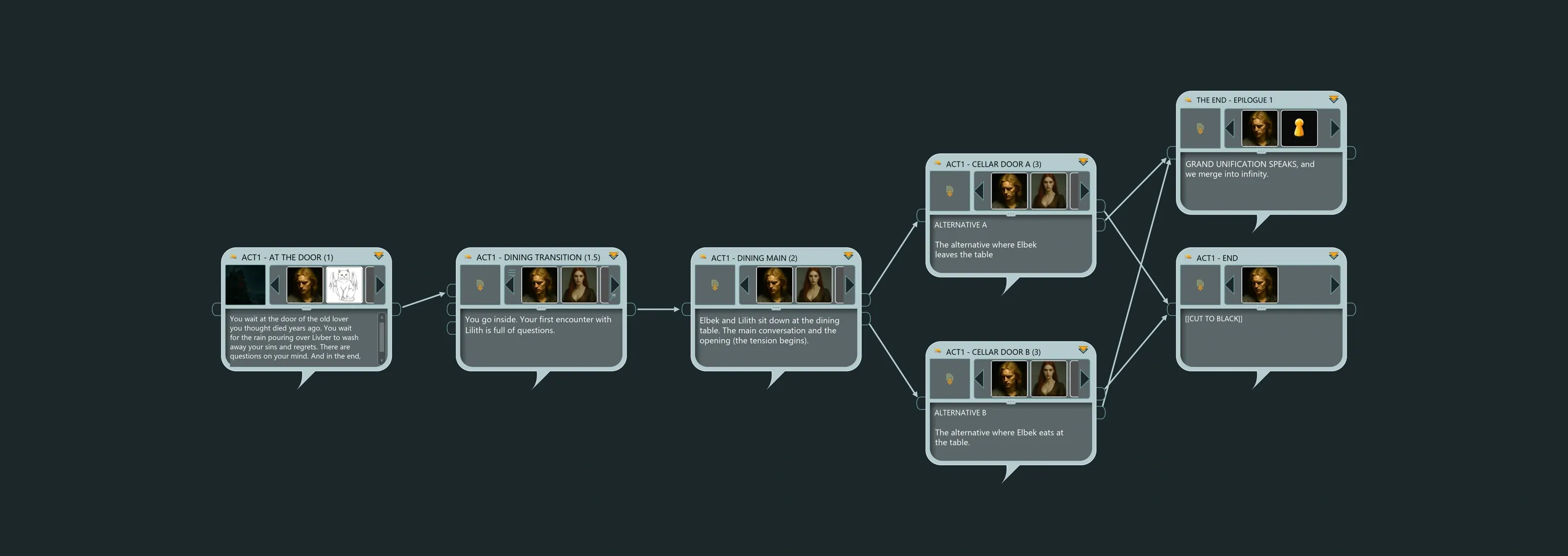 Livber in articy:draftAll three acts: scene flows, flags, endings.Open the page
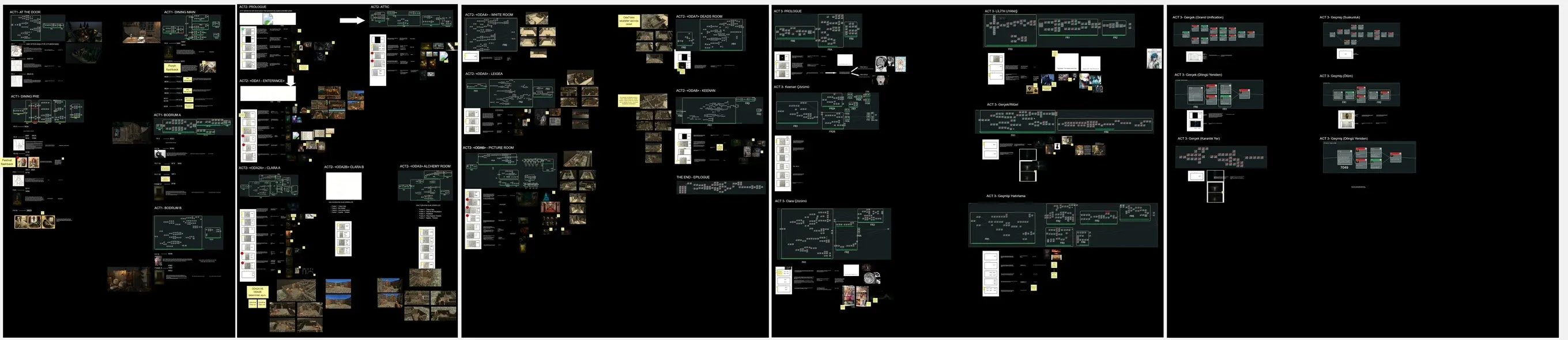 Setting up the storyboardPaper frames and articy IDs on one Miro board.Open the page
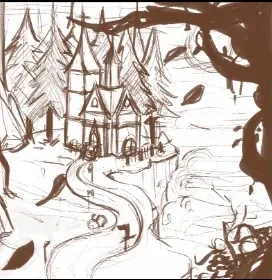 Storyboard, Act 1Camera, staging, mood and sound for each frame.Open the page
 Narrative logFour posts from development, act by act.Open the page
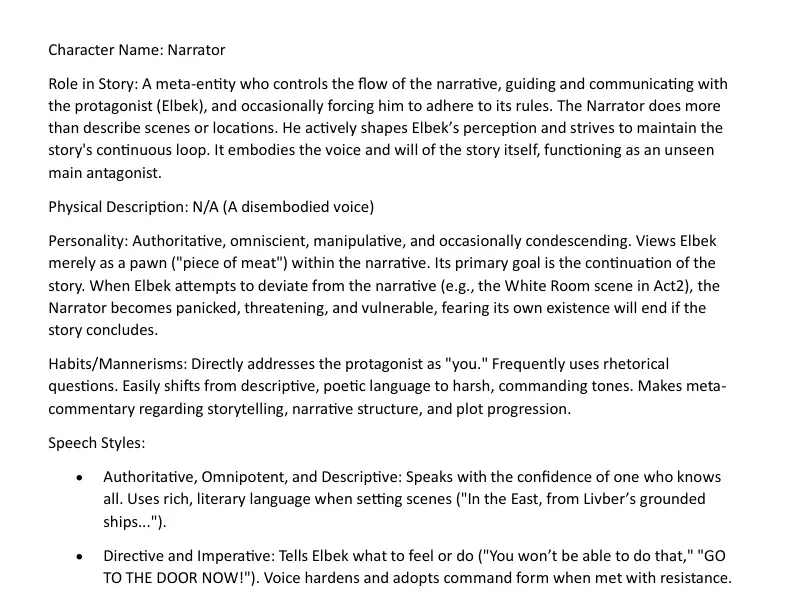 Narrator character sheetRole, personality, speech styles.Open the PDF
Reviews discuss the released game.
“Livber is beautifully written, and its descriptive language complements the visuals perfectly.”
AltChar, review, 80/100
“How one line of dialogue could completely throw your run under the bus…”
Vice